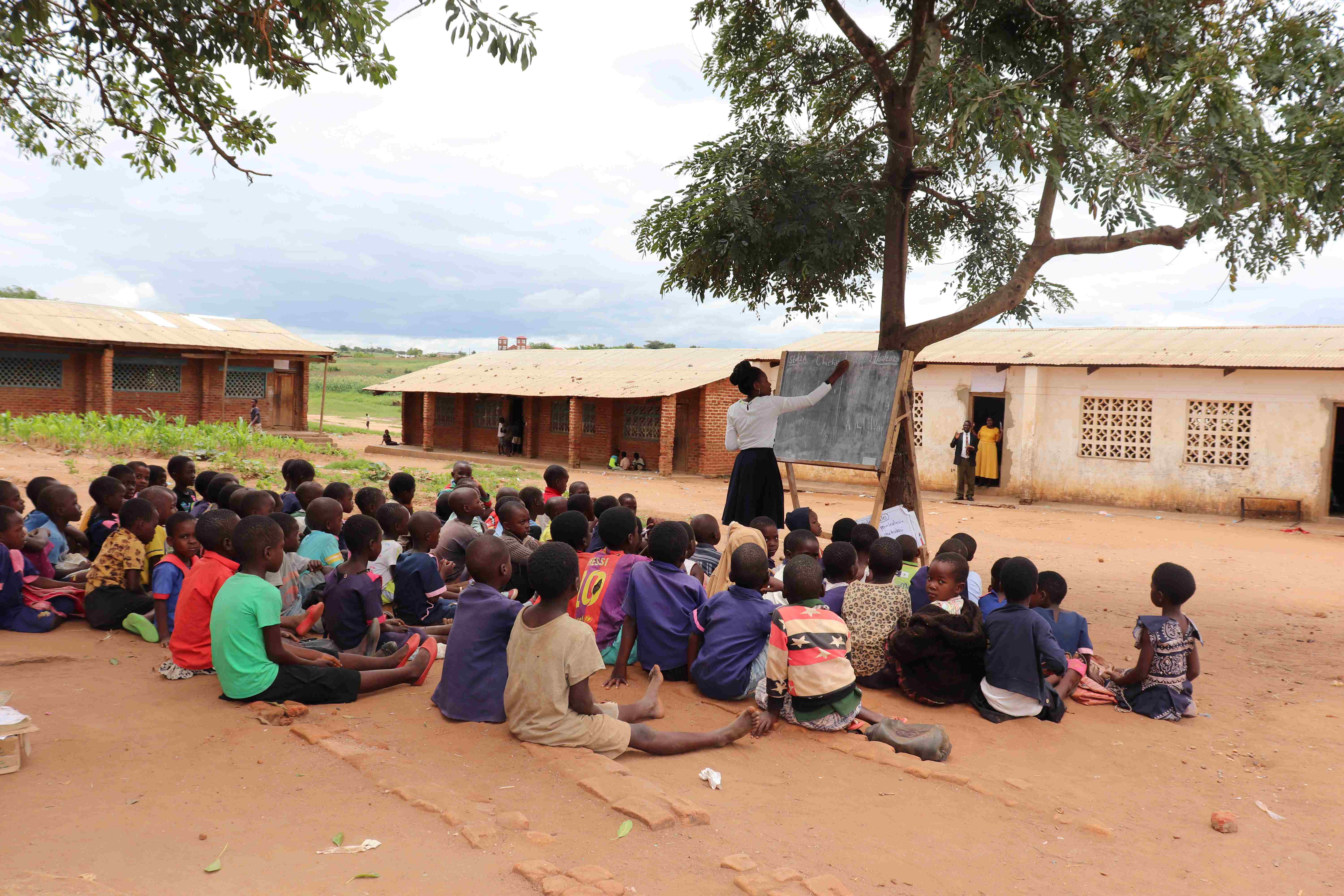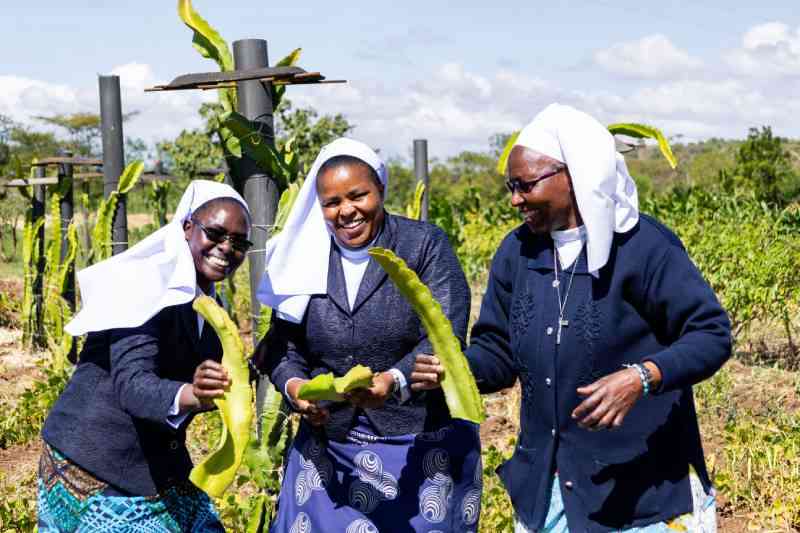
The Roman Catholic Church Religious Sisters’ congregations have a lifelong commitment and trusted presence in rural communities across Malawi in providing social ministries such as schools, hospitals, clinics, and farms. These services are provided to the public at nominal cost and are essentially symbolic to the essence of the congregation’s sacred mission. For decades, the Sisters have heavily relied on International Donor funding to fulfil this call. In recent years, however, Donor funding has significantly declined, and there is an urgent need for the congregations' ministries to become self-reliant.
Recognising this urgency, a prominent initiative, called the Sisters Blended Value Project (SBVP), has recently been launched in Malawi. This is a collaborative effort between the Strathmore University Business School (based in Kenya) and the Association of Consecrated Women of Eastern and Central Africa (ACWECA). The Hilton Foundation is the primary funder of the project. In Malawi, the project was launched through the Association of Women Religious in Malawi (AWRIM), an arm of ACWECA.
SBVP aims to transition Catholic Social Ministries, such as schools, hospitals, clinics, and farms, into sustainable units, for instance, income-generating health centres, business-minded schools, and commercial agriculture, thereby moving from a charity-based model to novel approaches of professional income-generating social enterprises.
The SBVP transition initiative to sustainable models, whilst economically necessary, creates profound Organisational Legitimisation (OL) challenges at individual, congregational, community, and program levels. Organisation Legitimisation is the generalised perception that the actions of an entity, within a socially constructed system of norms, beliefs, and values, are desirable, proper, and appropriate (Schuman, 1995). OL acts as a social licence to operate. If society perceives the actions of an entity as socially undesirable or inappropriate, and sometimes, harmful or deceptive, the entity loses legitimacy.
The challenge at the personal level is how a Sister will legitimise her identity as an emerging entrepreneur to herself, her congregation, and her community. The missions of Sisters, such as clinics and schools, are deeply embedded in society, and their existence therein is inevitable. Schuman calls this fact ‘cognitive legitimacy,’ where the community has established a ‘social script’ and traditionally perceives the Sisters as providers of free services. This presents a legitimacy challenge at the community level.
The pivot to social enterprise may lead to loss of cognitive legitimacy, whereby the Sisters’ ministries no longer fit within the legitimate role society ascribed to them. This loss of legitimacy may lead to other relational complications between the community and the Congregation.
A further challenge is the loss of legitimacy by some of the Church Leaders, ascribed to the program designers, Strathmore University Business School. This is pragmatic legitimacy, where the Church Authority may question the competence and professionalism of the program designers. These challenges will arise regarding how the program architects gain acceptance of the model among Church Leaders and beneficiaries, due to the perceived insensitivity of the designers to the core mission of the Church.
These challenges demand meaningful program design intervention, without which the SBVP risks failure. Firstly, the program inherently has an identity crisis. The designers should astutely and evocatively integrate the Catholic Social Teaching into the program. There is a need for the program to demonstrate, judiciously, that business can be a force for good. Secondly, the program is challenged by public cognition. A carefully crafted public consciousness program needs to be instituted to anchor Affect, thereby managing community and Church Leadership behaviour. Finally, the professional credibility and competence skills gap requires upscaling with the partnering institutions (Strathmore University).
The Congregations of Sisters in Malawi continue to undertake amazing works in our communities. Their mission fills gaps the government has eternally failed to address. The Sisters need support in the initiatives to pivot to social enterprises. However, it should be acknowledged that the path to this transition is riddled with temptations, and the Sisters do need to carry their Cross devotedly to meet these challenges.
Category:
Ruminations