Featured Post
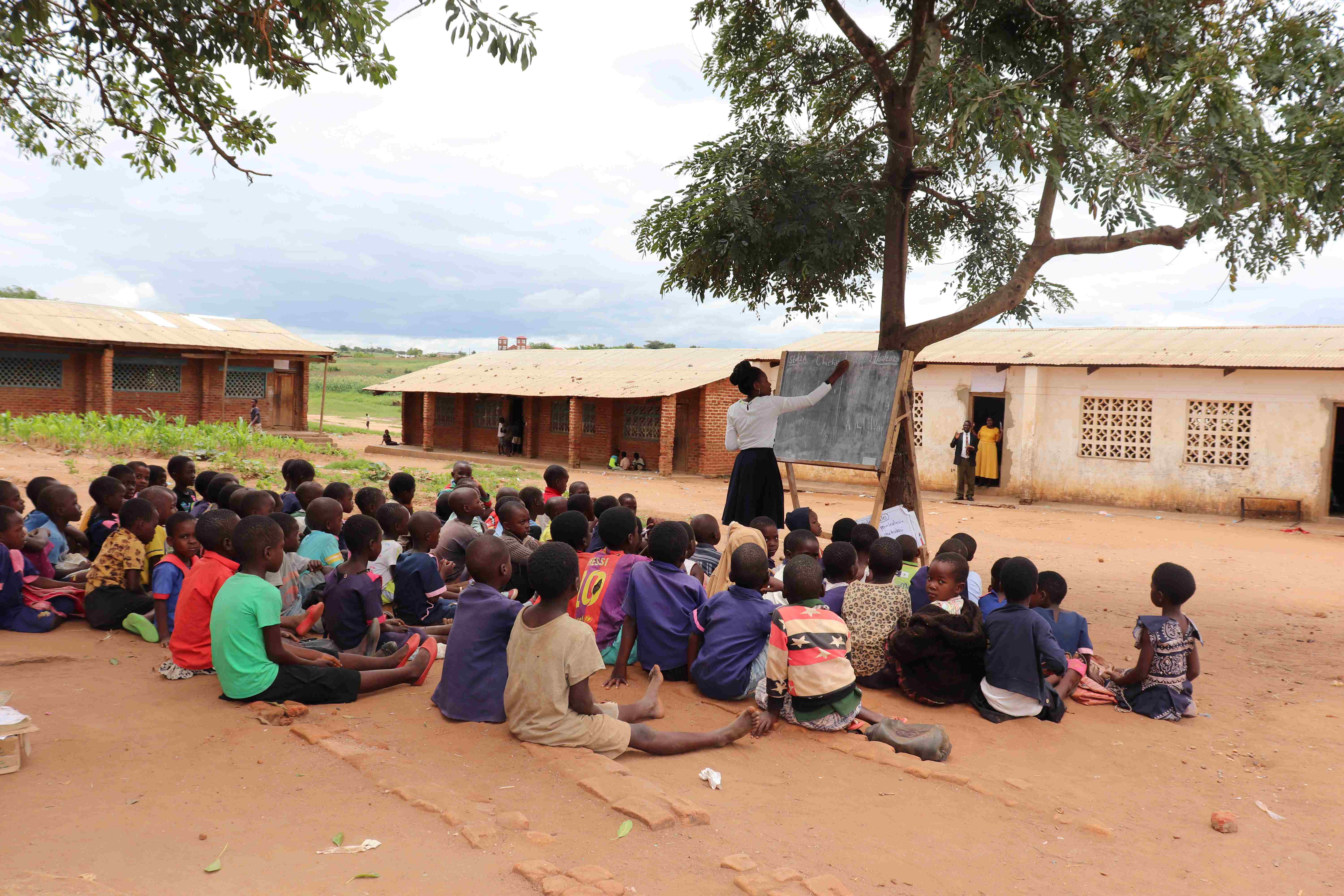
TEACHING IS A CALLING’: WHY TEACHERS ARE UNDERVALUED IN SOCIETY
Few professions are praised as often, and rewarded as rarely, as teaching. Every graduation speech thanks the teacher; every payroll queue reminds the teacher to wait. Almost every doctor, lawyer, pil
Liston Mpheza (Applied Linguistics PhD Candidate, Rhodes University)
October 6, 2026
Latest Posts
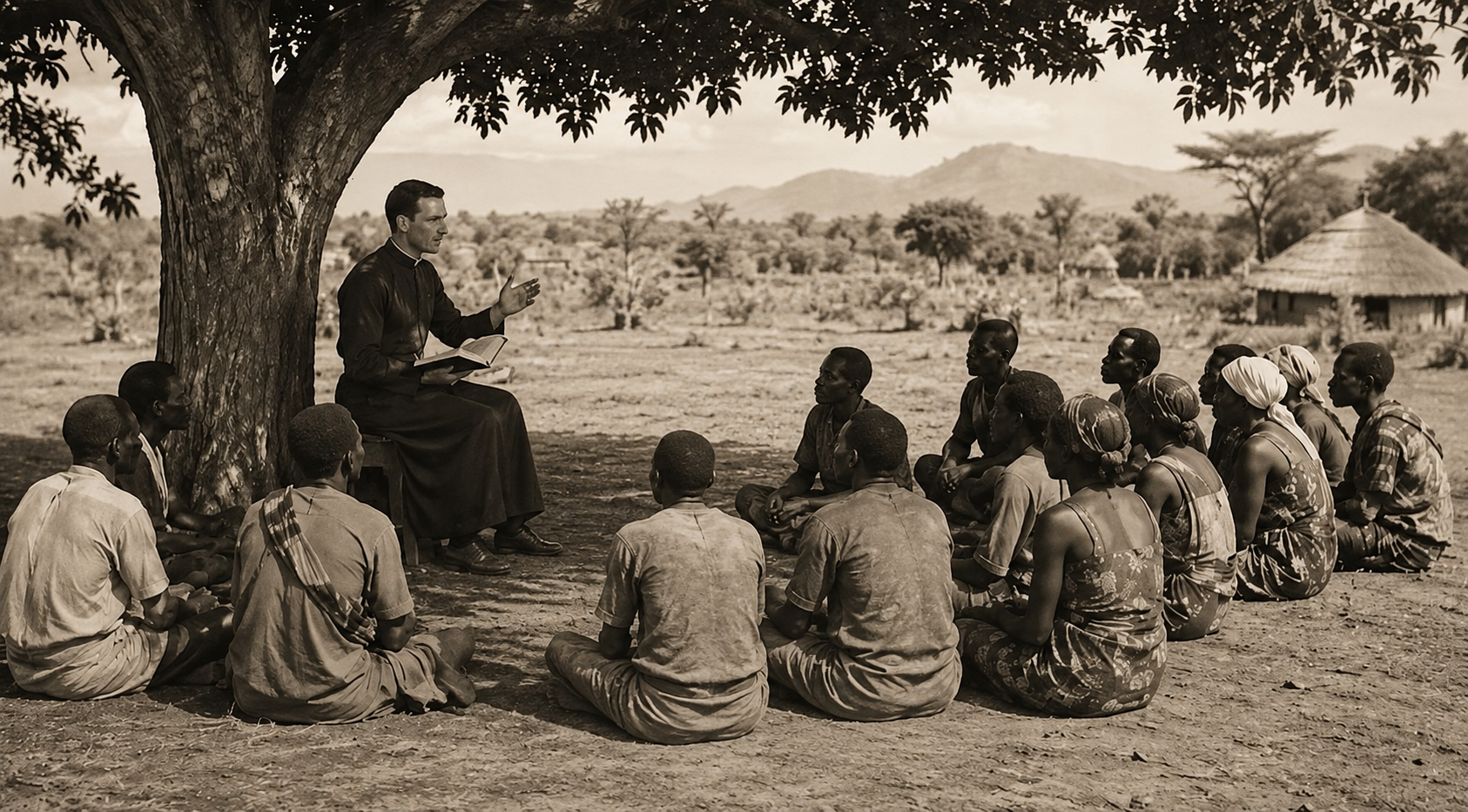
DECOLONISING THE CATHOLIC CHURCH IN MALAWI: REFLECTIONS ON 125 YEARS OF SERVICE (1901–2026)
In 2026, the Catholic Church in Malawi marks 125 years since the establishment of its first permanent mission at Nzama in 1901. The anniversary is an important moment in the history of Christianity in
Read More
THE EARTH AS A TRAVELLER’S INN
The best preacher is the heart; the best teacher is time; the best book is the world; the best friend is God. (Talmud) A Sound Heart in a Sound Body As I read the Talmud, a Rabbinic Judaic text, the e
Read More
SCORCHERS, SOCIAL PROOF AND MINDSET CHANGE
In August, 2026, the Scorchers, hitherto ranked 153rd in the world, stood the logic of world football on its head by making it to the final of the Women’s Africa Cup of Nations (WAFCON). The surprise
Read More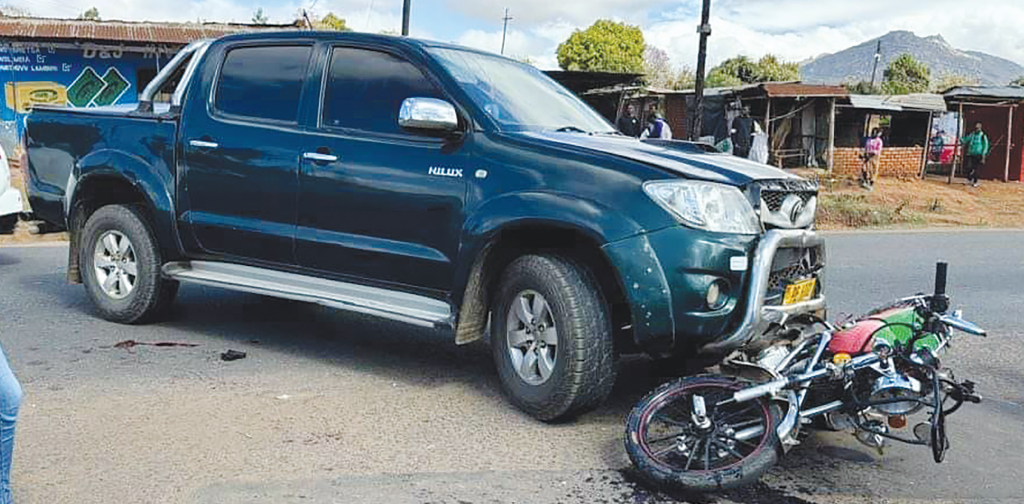
THE DARK SIDE OF MOTOR CYCLE TAXI IN MALAWI: A CASE STUDY OF BLANTYRE CITY
Motorcycle taxi, also referred to as ‘Kabaza’, has become a popular informal mode of transport in Malawi, especially in urban and peri-urban areas. Much as this mode of transport is convenient and aff
Read More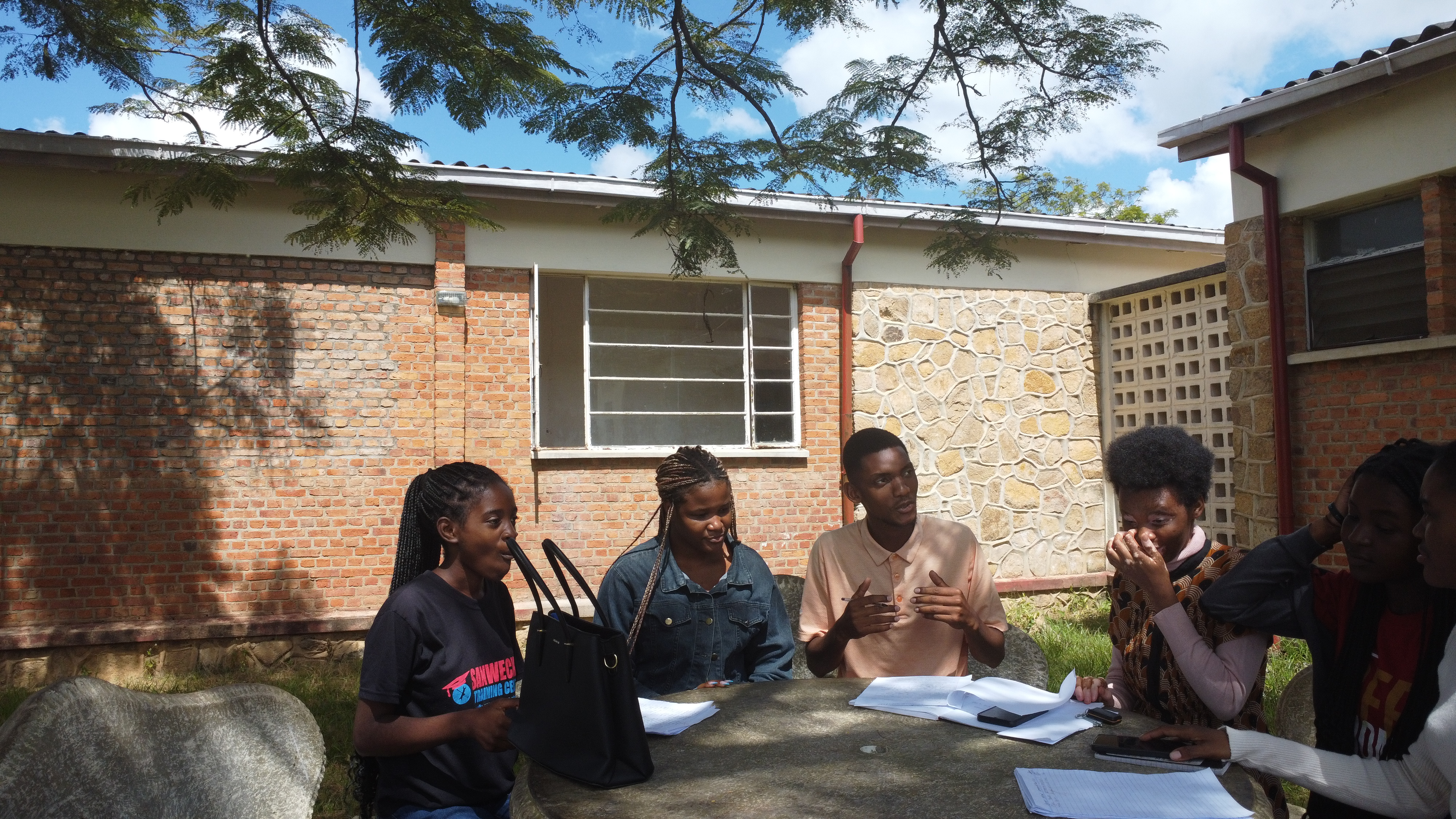
RELEVANCE OF JOHN BIGGS’ CONSTRUCTIVE ALIGNMENT (CA) MODEL TO CURRICULUM DESIGN
Higher Education Institutions (HEIs) are often confronted by the following question: "How can you prove that your curriculum is actually producing the graduates you claim it produces?" The evidence ca
Read More
DO WE STILL NEED PEOPLE WHO ARE BRILLIANT ON PAPER BUT ZERO ON IMPLEMENTATION?
Malawi does not suffer from a shortage of intelligence. It suffers from a shortage of follow-through. Walk into any ministry, district council, or university planning unit in this country, and you wil
Read More