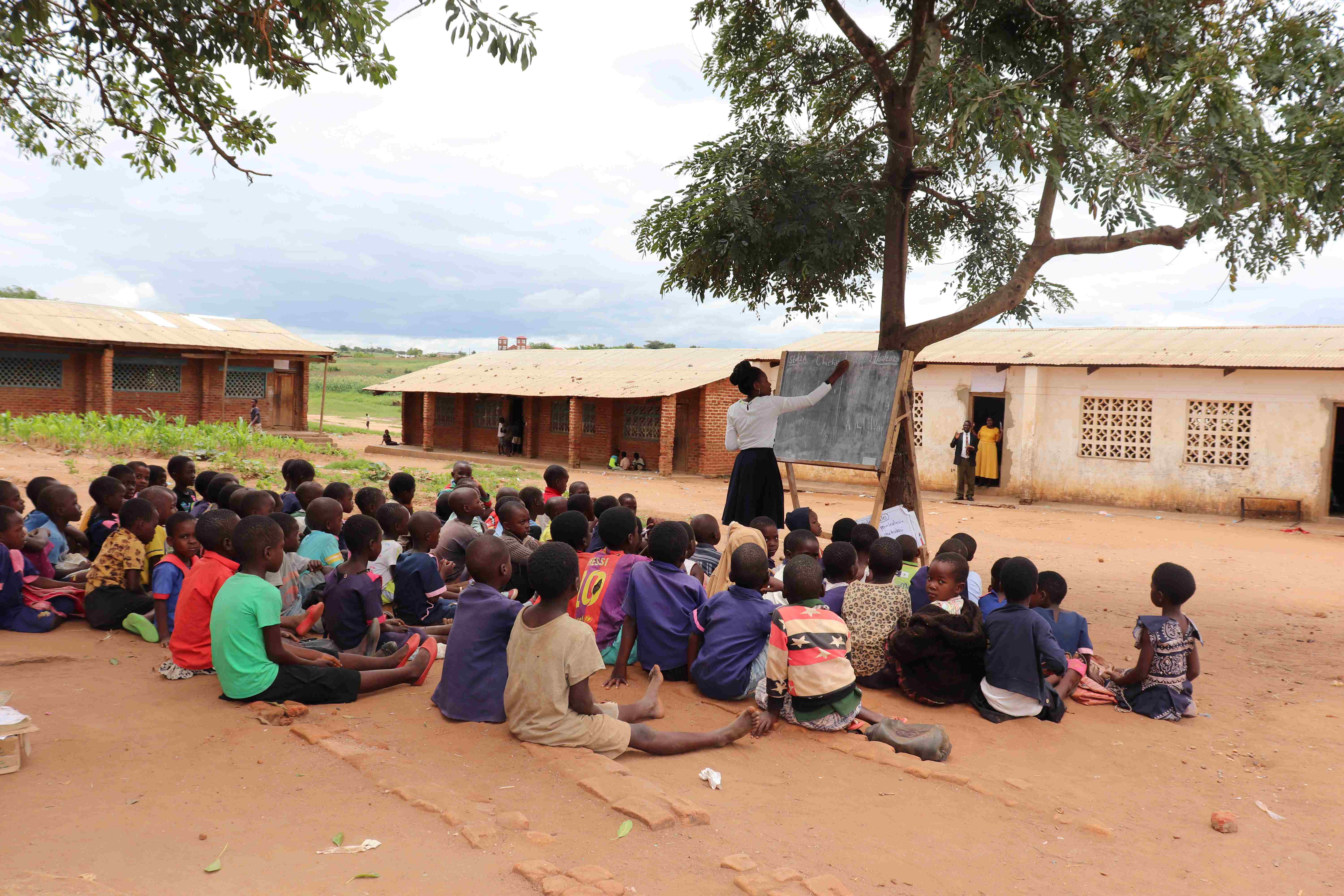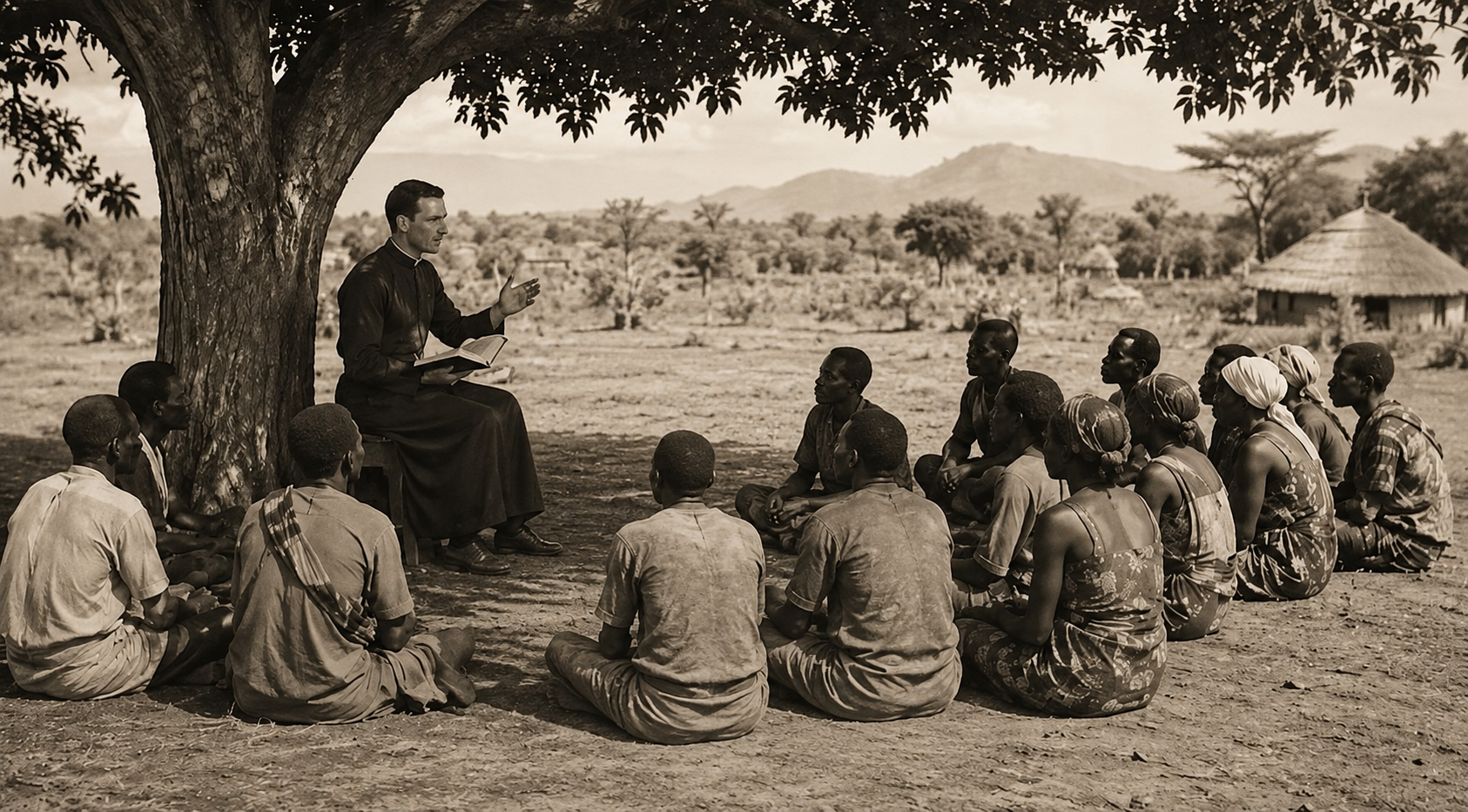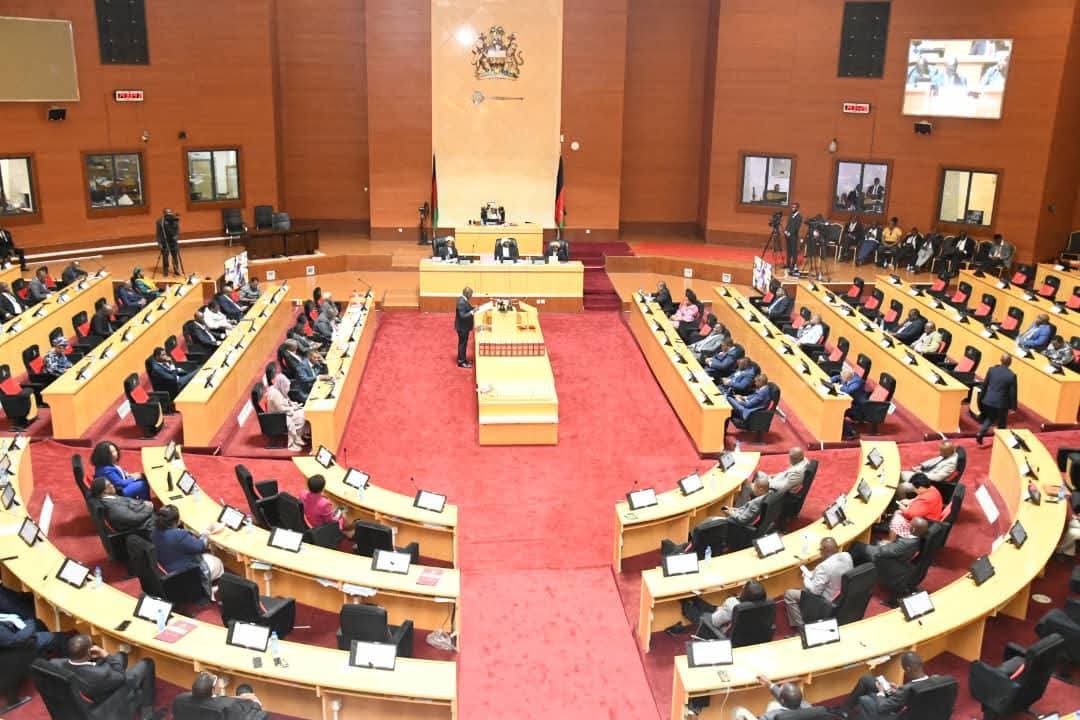
The study of English has always been a densely political and cultural phenomenon. According to Ashcroft, the development of English as a privileged academic subject in the nineteenth century — finally confirmed by its inclusion in the syllabuses of Oxford and Cambridge Universities — came about as a replacement of classics. In this vein, English was used as a language of power and control. It is this valorization of English which acted as a means of maintaining control of the natives under the guise of liberal education. It can be argued that the study of English and the growth of empire proceeded from a single ideological climate.
Ashcroft further posits that what we notice is that a privileged norm was enthroned at the heart of the formation of English studies as a template for the denial of the value of the peripheral, marginal and the canonized. The issue of which language to use in Malawian Parliament has been a highly contentious point of discussion at various fora. Most Malawians, especially the elite, prefer the use of English over indigenous languages in Parliament. According to them, the English language offers a perspective of prestige.
A Peek at History
Historical contextMoto observes that when the nationalist Parliamentarians took their seats soon after independence, they were faced with the issue of deciding what was going to be the language — or indeed languages — of the legislature. He further notes that Ngwazi Dr. Kamuzu Banda rejected the use of Chichewa as a national language in Parliament, as he preferred the language to be standardized into a real Chinyanja. It is worth noting that this idea was first brought before the legislature by Chibambo and later revived by Msopole in 1966, who introduced the idea of using Chichewa as the official language — but the idea was rejected again.
Moto also argues that although the development of disempowering English and empowering Chichewa or other indigenous languages has been the subject of scholarly attention, most of the existing literature has ignored the broader context and complexity of indigenous languages in Malawi. Moto states that the term empowering in this context means the explicit manner in which a language is recognised through language policy formulation and implementation. He also agrees with Wolf in observing that the new elite benefit from the status quo and are allowed to maintain their elitism based on the language of power.
Language as an Instrument of Control
Colonial legacyThe central questions worth exploring are: Why should post-colonial societies like Malawi continue to engage with imperial experience? Since we achieved political independence, why is the use of English still dominant in Parliament? As propounded by Ngugi wa Thiong'o, it is long overdue that our Parliamentarians should decolonize their minds and start using indigenous languages during deliberations. In so doing, it will be as though the empire is writing — or speaking — back to the centre, while simultaneously being in tandem with the voice of the electorates.
Frantz Fanon in The Wretched of the Earth, specifically in the essay "On National Culture," argues that when colonialism enters someone's psyche, it removes the brain of all form and content and finally distorts, destroys and disfigures it. In my opinion, if our members of Parliament continue to use and engage in the language of the colonizer, the majority of the electorates are left behind on issues of national importance.
Most people believe that English has special ingredients of beauty and intellect. Moto notes that it is not only native speakers who talk of beauty and precision about the language. Some of the so-called westernized Africans — and even others who have never been to any school, college or university — regard English as superior to their own vernacular languages. In this context, English is said to be sophisticated, rich, pure, logical, rhythmic and pleasant to the ear. This makes some natives believe that the use of the language of the coloniser lends these attributes to Members of Parliament. In this case, they form a coterie of few intellectuals set apart through their sentiments of mimicry. The new intellectuals in Parliament are what Fanon calls the fabricated elite desiring whiteness, hence maintaining the white intellectual discourse. It is this discursive epitome of power, prestige and knowledge that characterises our Members of Parliament who are dominant speakers of English in Parliament.
Language and Inclusion
Political participationIt is therefore important that we decolonize our minds, which have already been intoxicated by the elevated nature of the white man's language as far as the use of language is concerned. According to Ngugi wa Thiong'o, as Africans, we need to decolonize our minds, for language is a means of communication and a carrier of culture. Following this argument:
As long as our Members of Parliament continue to deliberate issues in the National Assembly in English, the majority of the Malawian population will be left behind.
To make matters worse, we have some Members of Parliament who fail to contribute meaningfully — or even remain silent during debates — because they cannot confidently express themselves in English. Above all, the question someone may ask is: whose culture are our Members of Parliament championing? Are they representing the majority of the populace who elected them, or are they representing themselves? It is imperative that the deliberations in Parliament be conducted in indigenous languages.
Conclusion
The way forwardAs long as we continue using English to deliberate matters of national importance in Parliament, many electorates will be left behind. It is therefore important to decolonize our minds and use indigenous languages as a pathway for political inclusion. Malawi can borrow a leaf from a number of African countries such as Kenya, where both English and Swahili are recognised as languages for parliamentary business. To make this work:
It would be helpful for highly educated Members of Parliament to deliberately choose local languages so that the stigma attached to the use of local languages may be overcome.