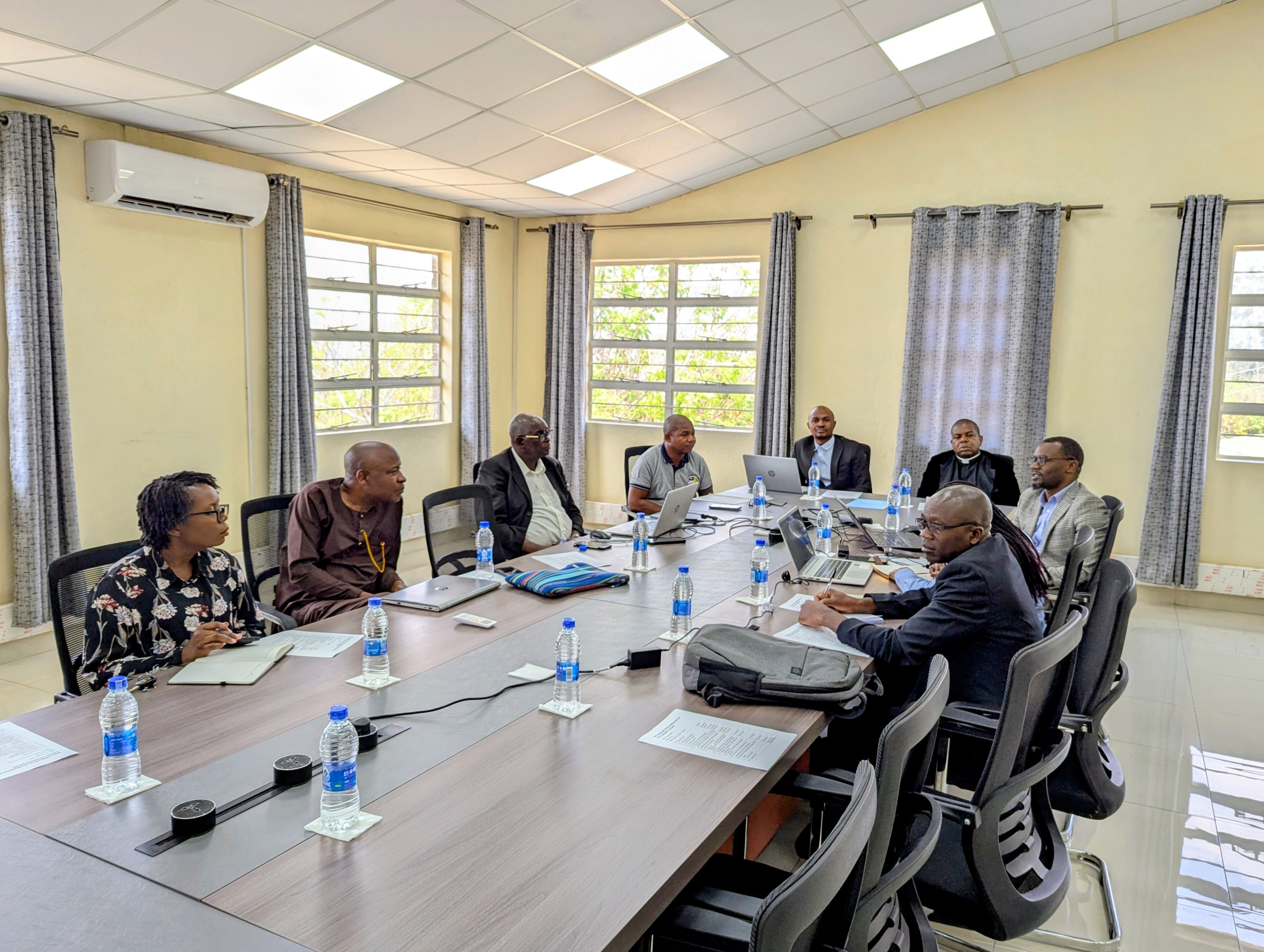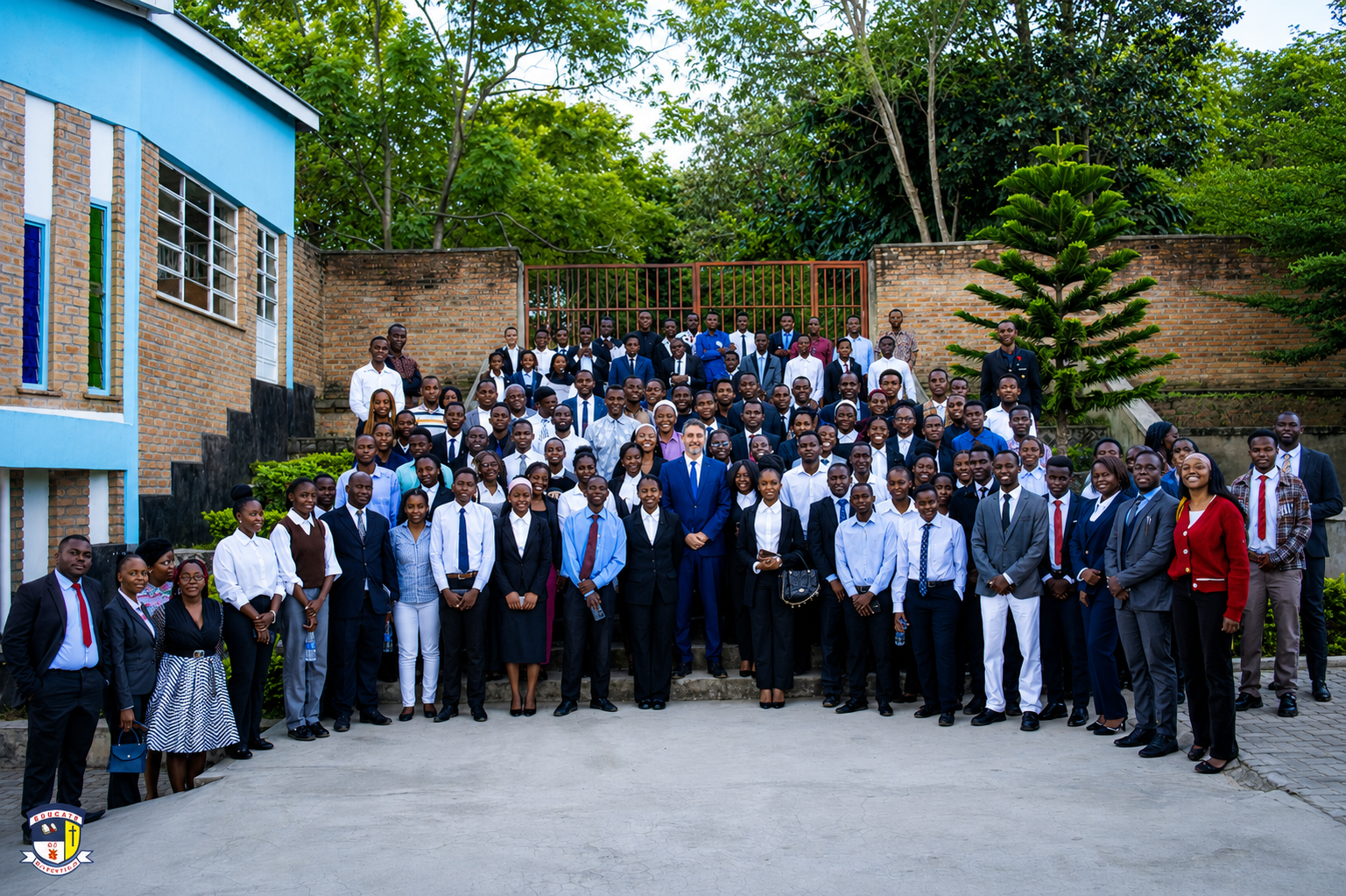
The Head of the European Union (EU) Delegation to Malawi, His Excellency Daniel Aristi Gaztelumendi, has said Malawi has a significant opportunity to increase its exports to Europe through preferential trade arrangements that offer unrestricted access to one of the world's largest markets.
Speaking during an interactive session with Law and Political Leadership students at the Catholic University of Malawi on Wednesday, Ambassador Gaztelumendi highlighted the EU's commitment to supporting Malawi's economic growth through trade and investment partnerships.
He explained that Malawi benefits from the EU's Everything But Arms (EBA) initiative, a unilateral trade arrangement that grants Least Developed Countries duty-free and quota-free access to the EU Single Market for all products except arms and ammunition.
"The European Union has an agreement that allows full duty-free and quota-free access to the EU Single Market for all products, except arms and ammunition. This arrangement presents a valuable opportunity for competitive Malawian products to access the European market," said Gaztelumendi.
The Ambassador further disclosed that the EU is focusing on supporting the production and value addition of premium coffee in Malawi to enhance its competitiveness on international markets and increase export earnings. However, he expressed concern over Malawi's persistent electricity challenges, noting that frequent power outages continue to undermine industrial growth and discourage potential investors who could contribute to export-oriented manufacturing.
He said reliable and affordable electricity remains critical for attracting both local and foreign investors, adding that the EU is supporting initiatives such as the Mpatamanga Hydropower Project to help address the country's energy deficit.
Gaztelumendi also called for efforts to reduce electricity costs, arguing that high tariffs can deter investment and limit the country's industrialisation ambitions.
Commenting on the engagement, Keith Katchomaza, a student representative from the Faculty of Law, described the interaction as enlightening and informative.
"The discussion provided valuable insights into the European Union's interventions in Malawi and the opportunities available through the EU-Malawi partnership," he said.
The relationship between the European Union and Malawi has evolved over five decades into a strategic, investment-driven partnership. Anchored by the Samoa Agreement, the EU remains Malawi's largest export destination and one of its leading development partners, supporting major initiatives in infrastructure, agriculture, governance, and economic development.
Category:
University News